When was the last time you made something with your own hands?
Even If You’re “Not the Creative Type,” You Can Finish a Real Piece of Art in One Afternoon
The sentence we hear most
“Oh, I could never make that.”
You’ve probably said it yourself, at a craft fair table or at a friend’s kitchen counter, holding a birthday card made of paper so thick the pen sank in. Or maybe you said it last week, watching one of those sixty-second videos where two hands tuck fabric into a foam board and a sunrise shows up stripe by stripe.
I answer the email for this studio, so I hear from a lot of women who are certain they’re not creative. After enough of those letters, I can tell you the trouble is hardly ever the person. Somewhere along the line, most of us got handed a blank canvas and a long supply list, told to practice, and left to figure out the rest on our own. That would discourage anybody.
The crafts we teach don’t work that way. In kinusaiga there’s a printed template that tells you where every line goes, so nothing gets drawn freehand. Wax sealing looks fancy, but the brass stamp is doing the artwork, and what you learn is heat and timing. With cyanotype, the sun does the printing and a fern does the drawing. The color in flower pounding is already inside the petals, and a hammer moves it into the cloth. Papermaking is more of the same: the frame decides the shape, and the pulp does the rest.
When the steps are good, the piece comes out the first time. Nobody here is going to tell you to go practice for a year.
Who’s writing this
A letter from the person who answers the email
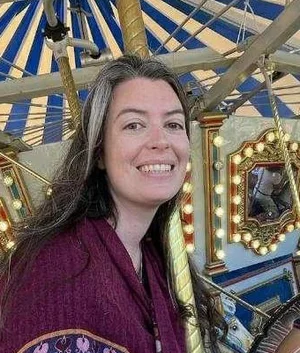
I’m Jenna. I teach the wax sealing workshop here, and I run the studio inbox, so most questions about this bundle land in front of me either way.
I came to wax sealing because I love pretty stationery, and I promise you I’m no artist. My first seals were scorched and off-center and peeled up at the edges. The workshop I teach now is the one I wished somebody had handed me back then, a person at the table saying pour here, wait this long, lift straight up.
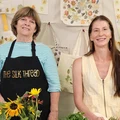
The other four teachers came to their crafts the same way, from kitchens and gardens, and one from a classroom. Hannah Austin, who teaches fabric painting, is the one you may already know; 200,000 makers follow her kinusaiga work on Instagram. Angela made her first paper with a kitchen blender and her recycling bin. Kristi filmed her cyanotype course at her own kitchen sink, and once weighed down her exposure glass with a garden troll because it was the heavy thing within reach. Theresa has pressed plant color into cloth for years, and she teaches the flower pounding workshop with Kristi beside her as the recent beginner.
I’ll tell you what each of us teaches, what the supplies cost, and I’ll keep it plain.
Where this goes
What starts leaving your house
- A birthday card written on paper you pulled from a blender of junk mail, thick enough that the pen sinks in a little.
- Envelopes that leave the house sealed in marbled wax.
- A nine-inch framed landscape in the hallway that guests assume you bought, until you tell them.
- A cotton tote printed with the flowers that grow along your own fence.
- A Prussian blue fern print by the front door, made on the driveway the next time the sun cooperates.
Everything on that list is a first project, or close to it. Four of the five come out on the first afternoon, and the fabric landscape takes a weekend if you like to work slowly. And the afternoon itself counts for something: your phone ends up face down somewhere, and by supper there’s a thing on the table that didn’t exist at lunch.
Everything in the bundle
The five workshops
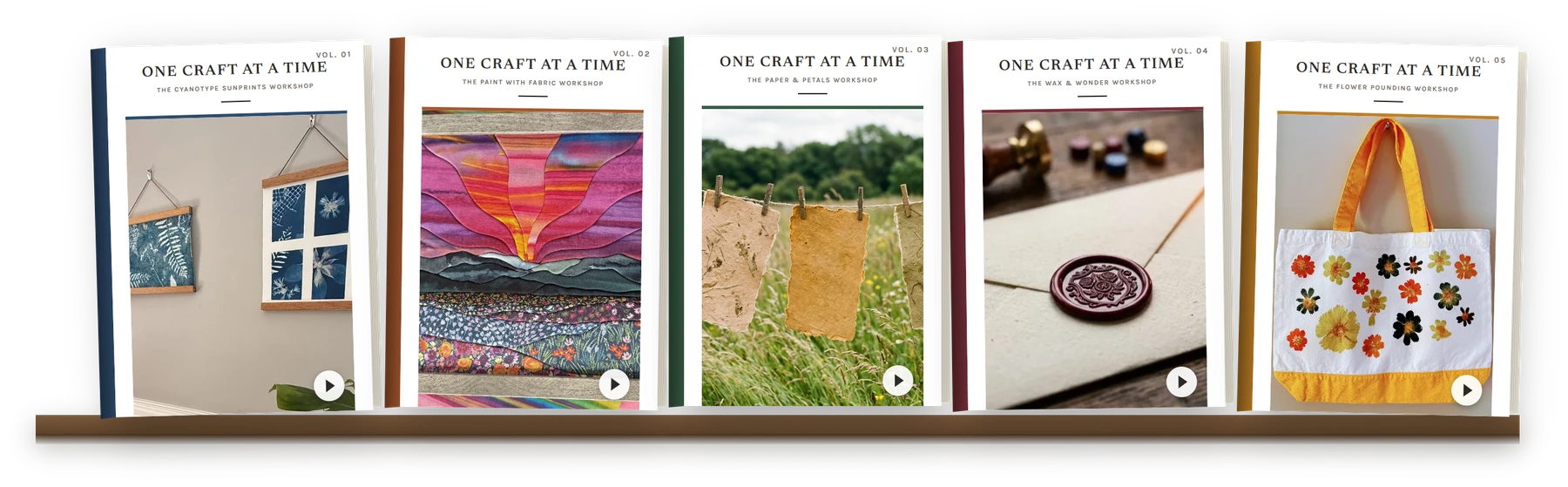
I’ll keep these short, because the photos do the better job. Every workshop assumes you’re starting from nothing, most first pieces are done the same day you start, and four of the five get going for about $30 in supplies or less, a good bit of it already in the house. Each course sells on its own for $47 (all five together are $89, and that’s the bundle this letter is about).
The Sunprints Cyanotype Printing Workshop
 with Kristi Thompson
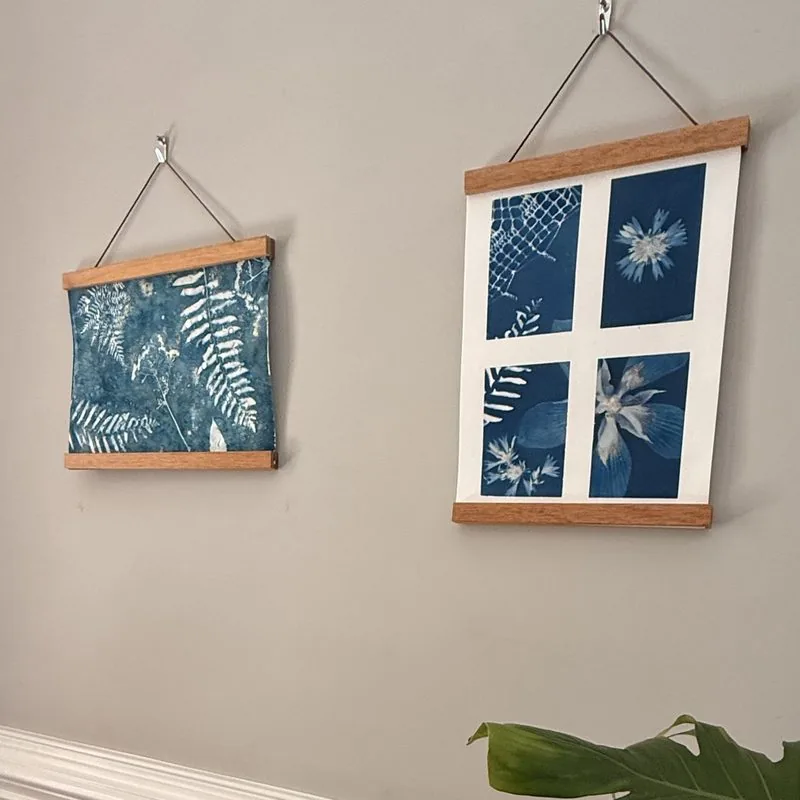
Lay ferns on coated watercolor paper, give the sun a few minutes, and rinse at the kitchen sink. Prussian blue floods in around a white impression of every leaf and vein, sized for a 9 by 12 frame.
“I’m going to show you the mistakes I made when I was first starting out. And the misfires don’t get thrown away at my table; they get cut up and turned into little note cards.” Kristi, in her first lessonSold separately: $47
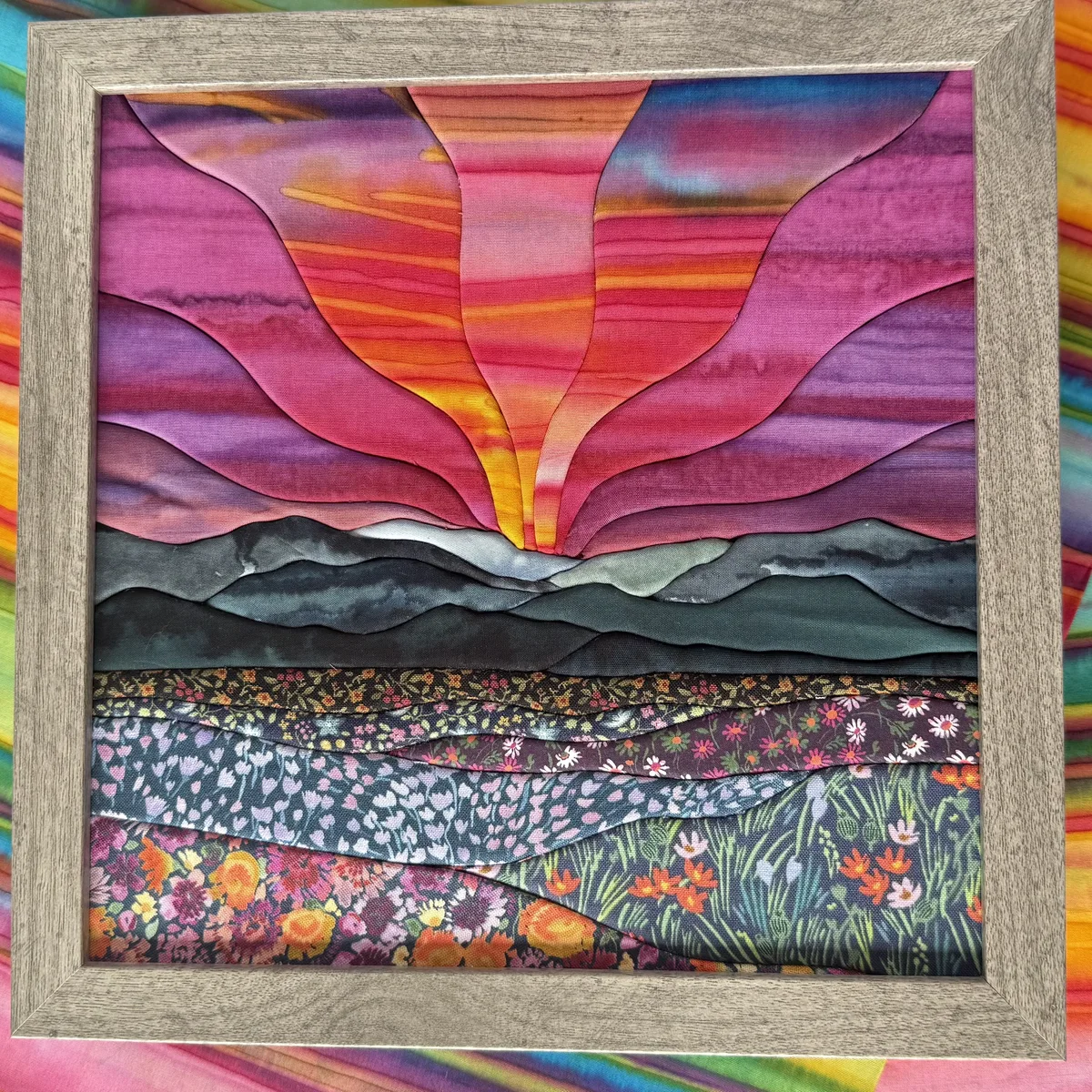
The Paint With Fabric Workshop
 with Hannah Austin
Tuck fabric scraps into a template-carved foam board until a mountain sunrise appears. From across the room it reads as a painting; up close, it is the stash you never managed to throw away.
“If you’re wondering whether color theory plays a role, the answer is no. Flowers don’t look around themselves to see if they match the flowers next to them. They just grow where they are.” Hannah, in the fabric-planning lesson
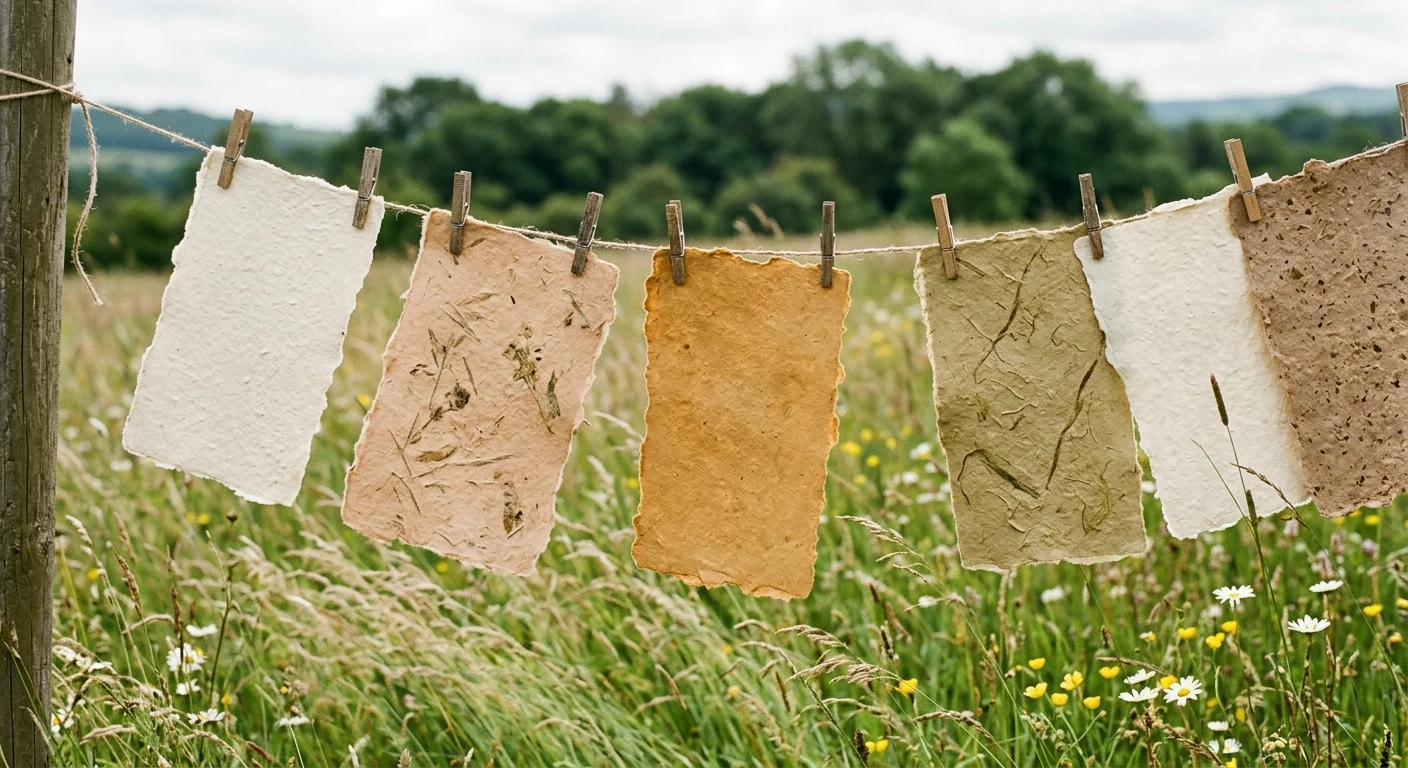
The Paper & Petals Workshop
 with Angela F.
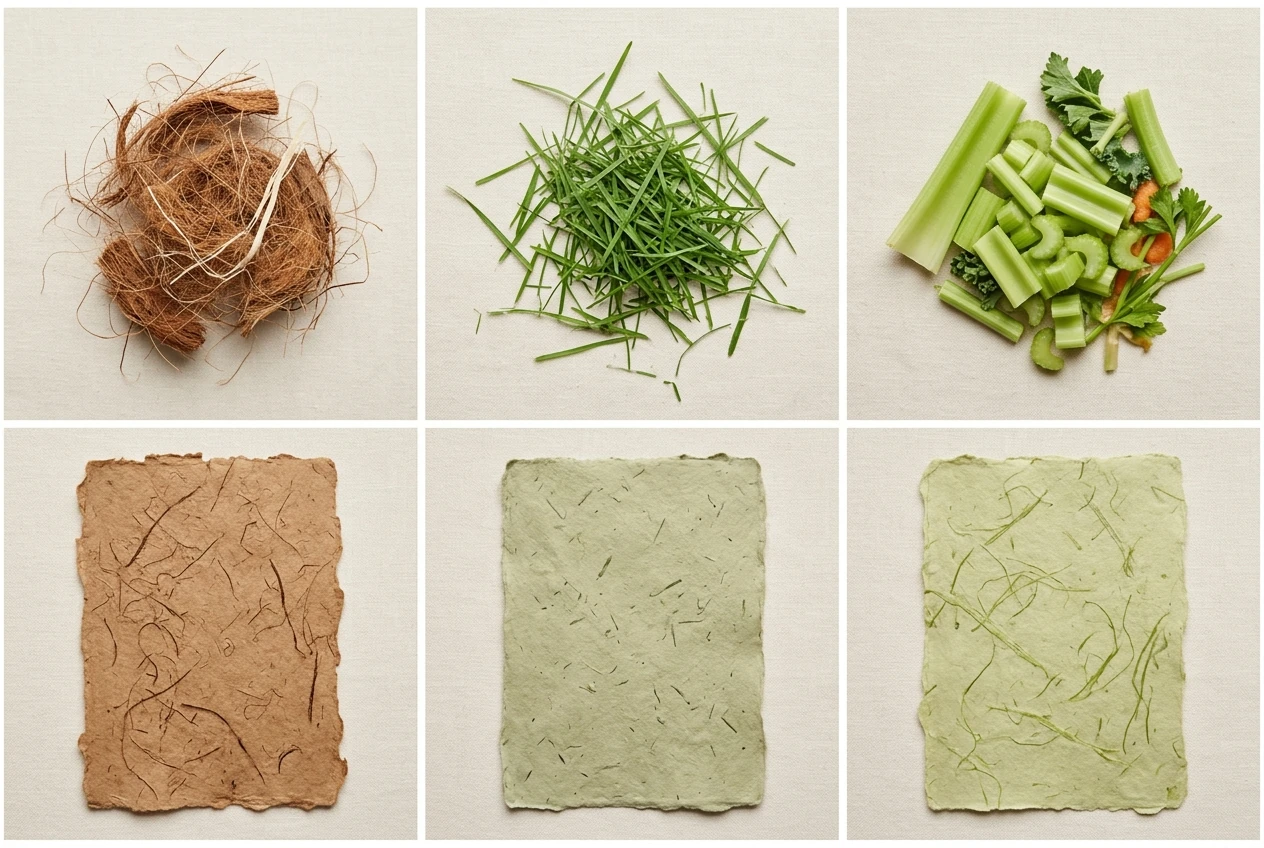
A kitchen blender turns junk mail and grass clippings into thick, deckled sheets, and your first one is done inside an hour. Later lessons add petals, natural dyes, and paper you can plant.
Sold separately: $47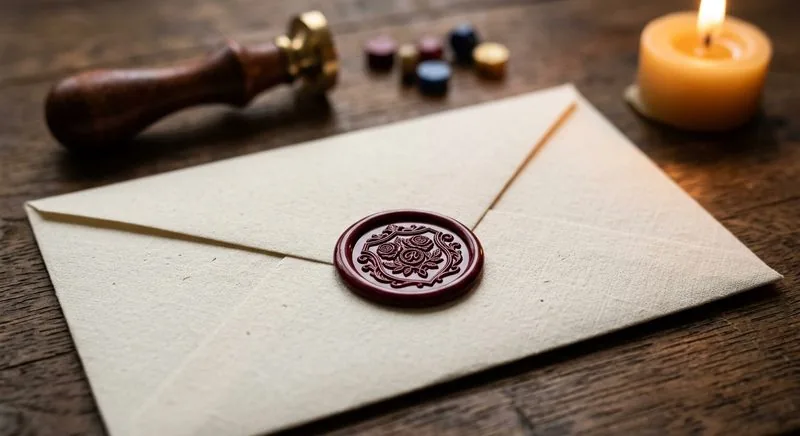
The Wax & Wonder Workshop
 with Jenna B.
This one is mine. Your first seal takes minutes, made along with me in real time; the stamp carries the picture, and I teach everything around it, through marbled colors, gold flakes, and pressed flowers.
Sold separately: $47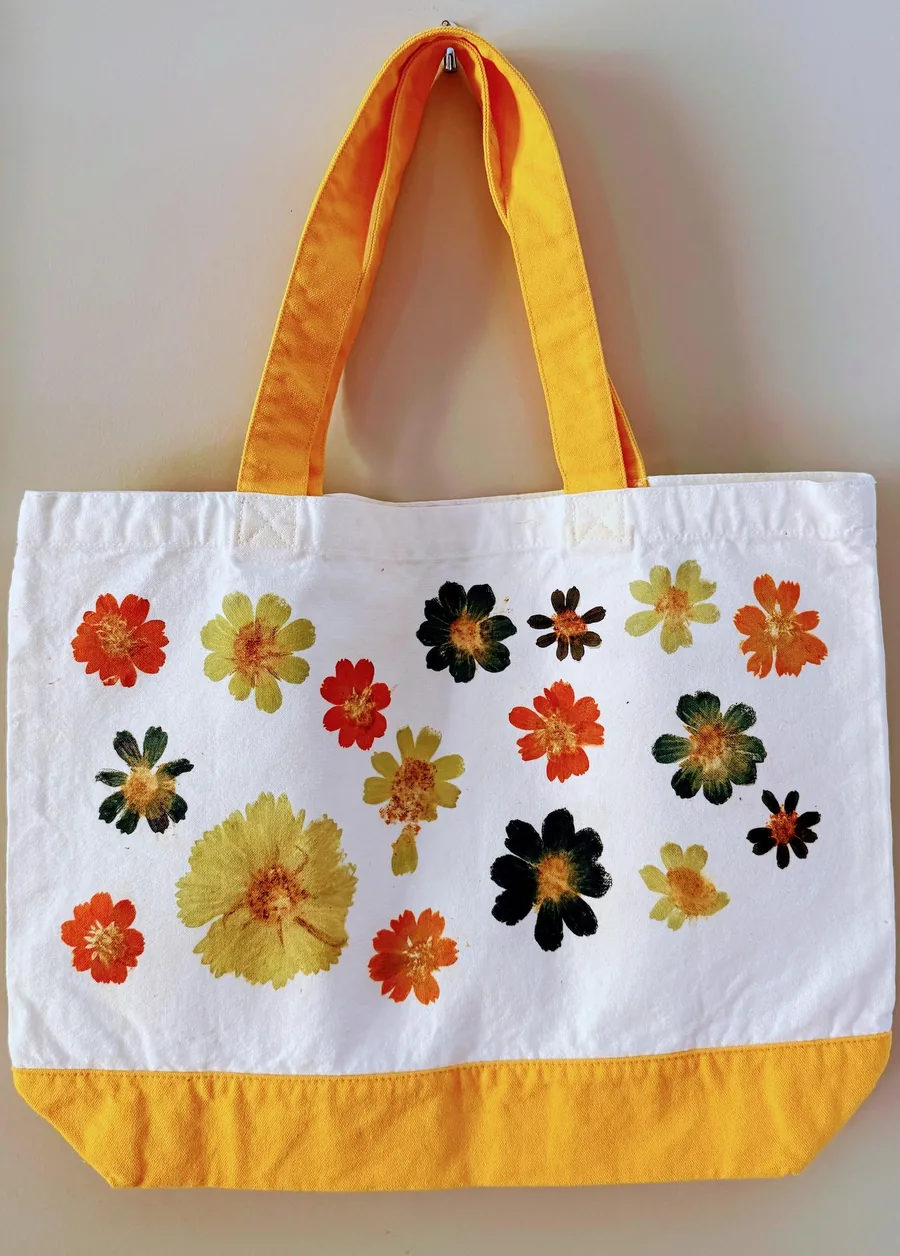
The Japanese Pound Dyeing Ecoprint Workshop
 with Theresa Brown & Kristi Thompson
Tape fresh flowers to a cotton tote and hammer them through parchment paper. The pigment moves straight from petal to cloth, and a household iron sets the print so the bag survives the wash.
Sold separately: $47All five workshops together cost less than two of them bought alone.
Word for word, from public comments on Hannah’s free kinusaiga tutorial on YouTube
“I absolutely love it & I’m excited to try. You are an excellent teacher, easy to understand.” @debbieking3779
“My mom and I started doing Kinusaiga because of your videos and we are obsessed. We have now taught 5 or 6 other people and are having so much fun! It’s also a great way to finally use so many of the fabrics we have collected and the scraps we didn’t know what to do with.” @katiewilkinson3175
“I just finished my first piece. I wanted to thank you for creating the video... Thank you so much for taking the time to do all of this!! Your art is beautiful.” @AllisonEastman-q7e4x
We’re a small studio, so we quote only comments you can find yourself under the video.
Included forever
Your bundle keeps growing after you buy it
When we release a new workshop, it simply shows up in your account, at no charge. That’s how the cyanotype course arrived this month for everyone who already owned the bundle. Two more are filmed or in production for September and October:
Alcohol Ink Flowers
Expected September or October
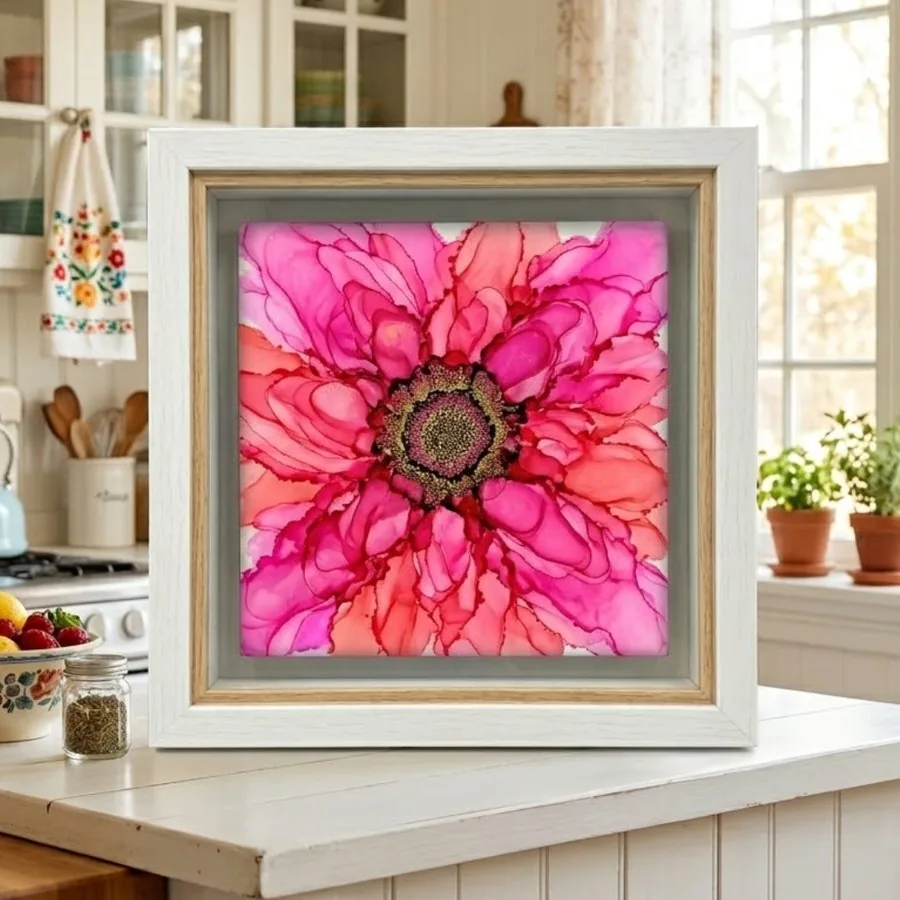
Guide flowing ink into luminous flowers that are ready to frame.
Shibori Dyeing
Expected September or October
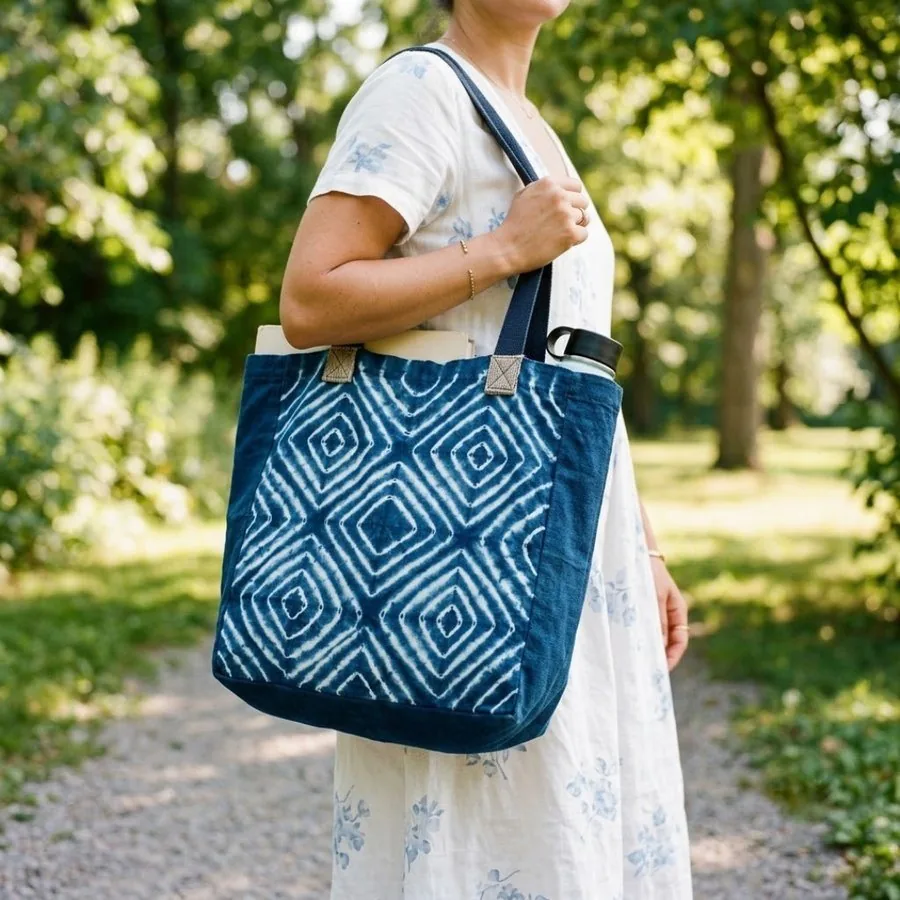
Fold and bind cotton, dip it in indigo, and unfold crisp white patterns.
Bought one at a time at $47, the seven workshops named on this page would come to $329. The bundle is $89, and it already covers all of them.
The Everything Bundle
| The Sunprints Cyanotype Printing Workshop | $47 separately |
| The Paint With Fabric Workshop | $47 separately |
| The Paper & Petals Workshop | $47 separately |
| The Wax & Wonder Workshop | $47 separately |
| The Japanese Pound Dyeing Ecoprint Workshop | $47 separately |
| All 14 bonus lessons and printable guides | Included |
| Every future workshop, starting with Alcohol Ink Flowers and Shibori Dyeing | Included free |
You pay $89 once. Five workshops, 27 lessons, 14 bonuses, and each future release, for as long as the studio exists. There is no membership behind this page and nothing that renews.
Get Everything for $89Access arrives the moment checkout goes through.
Secure checkout · PayPal · Visa / MasterCard
Make something first, then decide
Buy the bundle, pick whichever workshop brought you here, and make something. If you’re anywhere in the first 30 days and you want your money back, email me and I’ll send the whole $89 back within 24 hours. It doesn’t matter if you’re halfway through a course or you’ve downloaded every guide, and I won’t ask you to explain.
Before you decide
Questions I get most
Is this a subscription?
No. It’s one payment of $89, and the account is yours for life, future releases included. There’s no renewal date attached to anything on this page.
Do future workshops really cost nothing extra?
They cost nothing extra. The cyanotype course rolled out to every bundle owner at no charge when it released, and Alcohol Ink Flowers and Shibori Dyeing will arrive the same way, expected during September and October.
I’ve never done anything like this. Will I be able to keep up?
The workshops assume you’re starting from nothing. The cameras stay close, the repetitive stretches are sped up, and every step can be paused and replayed as many times as you like. Nothing is scheduled and nothing expires, so “keeping up” isn’t part of it. Two of your five teachers were beginners themselves not long ago.
What will supplies cost me?
Four of the five start around $30 or less: fabric painting runs $25 to $40 with no stash at all, paper stays under $30 counting the build-it-yourself frame, wax starts near $25, and flower pounding is a garage hammer plus about $10 in totes. Cyanotype is the outlier at roughly $50 to $75 from scratch, for the two-part chemistry kit and a pad of thick watercolor paper; after that you only replace paper and sensitizer. The crafts also share tools: scissors, an iron, parchment paper, a cutting board, binder clips.
How much time does each workshop take?
Plan on one afternoon per first piece. Paper is the quickest, with a sheet inside an hour. A wax seal takes minutes once the wax is hot. A cyanotype print is an afternoon, though most of that is coated paper drying while you do something else; the sun itself needs only minutes. The fabric landscape is the long one, and most people give it a weekend.
Are these crafts hard on the hands?
Fabric painting and wax sealing use light motions, with no needles anywhere. Cyanotype is a foam brush, a few binder clips, and a rinse in a dish pan. Papermaking means lifting a wet frame out of a bin. The hammer in flower pounding is the most physical thing in the studio, and you can work in short sessions with breaks whenever you want. Every lesson is self-paced.
How do I watch the lessons?
You create a login at checkout and everything appears in your account immediately. Computer, tablet, or phone, at any hour, forever.
Can I buy just one workshop instead?
You can; each workshop sells on its own page for $47. Two bought that way already cost more than the whole bundle, which is why most people take the bundle.
I already bought one of your workshops. What should I do?
Email me before you order; replying to your purchase confirmation is the fastest way. I’ll sort it out so you never pay twice for the same course.
What if it turns out this isn’t for me?
Then you get the $89 back. One email inside 30 days, and it’s refunded within 24 hours, like the guarantee above says.
The last thing I’ll say
Somewhere in your house there is already a fabric drawer, a stack of junk mail, a fern by the driveway, flowers along the fence. You’ve had the makings for years. The lessons are the only part you were missing.
Pick the workshop you’d start tonight. The other four will keep.
One payment. Five workshops today, two more expected this fall, everything after that included.
Jenna B. · The Wax & Wonder Workshop · The One Craft at a Time Studio